
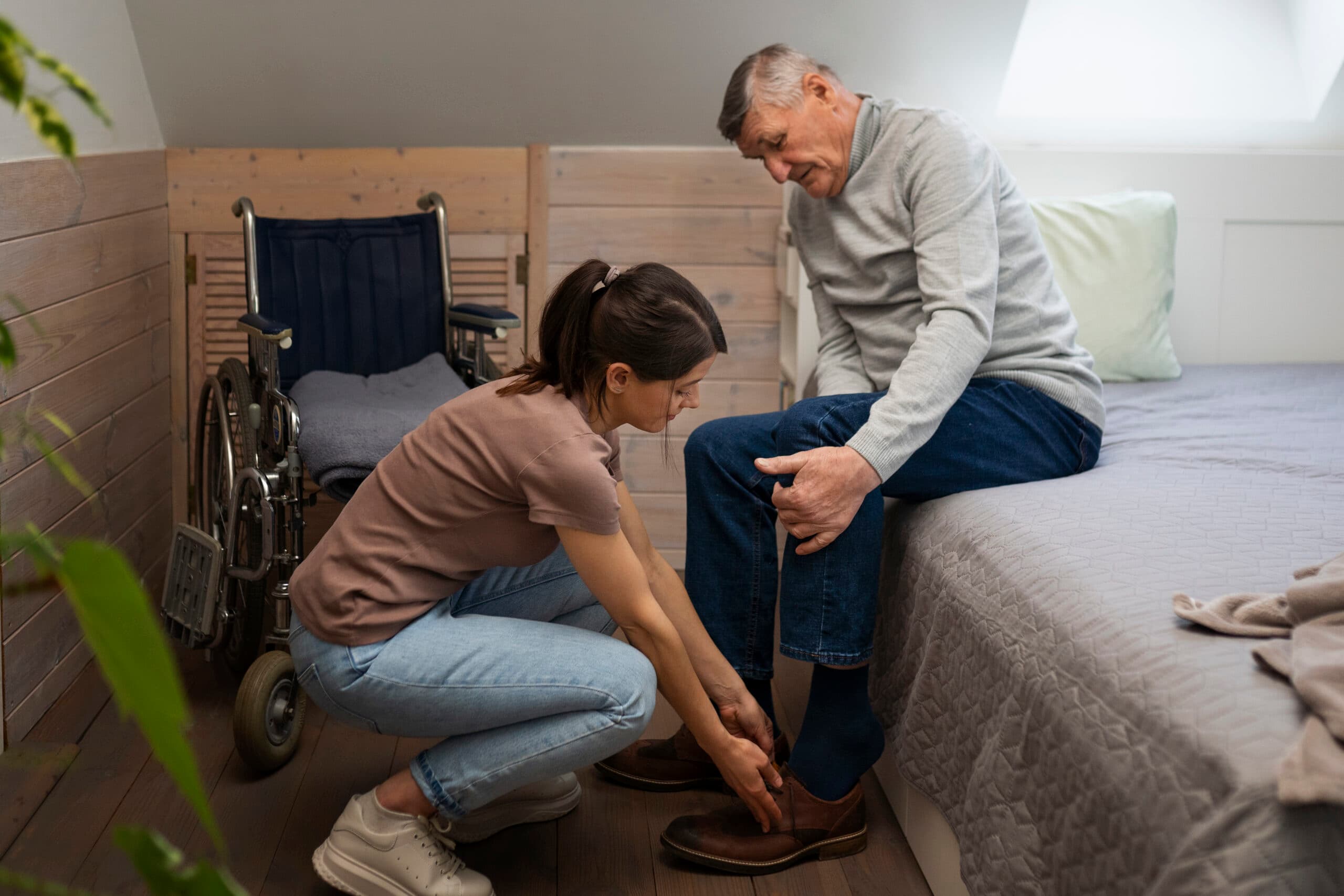
Daily Living Skills for Seniors with Disabilities: NDIS Options
For many individuals living with disabilities, mastering everyday tasks determines their ability to maintain independence and dignity. Older adults with disabilities face unique challenges when managing personal care, household responsibilities, and community participation. The National Disability Insurance Scheme provides structured pathways for eligible seniors to access essential support services that enhance their capacity for independent living.
Understanding Daily Living Skills for Seniors
Daily living skills encompass the fundamental abilities required to function independently in everyday life. These capabilities directly impact an older adult’s quality of life, self-reliance, and community engagement.
What Are Daily Living Skills?
Daily living skills represent the core competencies needed to manage routine activities without constant assistance. For seniors with disabilities, developing and maintaining these abilities proves essential for continued independence.
Personal Care Activities
Personal care forms the foundation of independent living. Seniors with disabilities often require support with showering, bathing, toileting, dressing, grooming, and oral hygiene. These activities demand physical capacity, coordination, and cognitive awareness. Allied health professionals work closely with older adults to identify specific challenges and develop strategies that enable safer, more independent personal care routines.
Medication management represents another critical personal care skill. Many seniors with disabilities manage multiple prescriptions requiring precise timing and dosage. Occupational therapists and physiotherapists provide training in organizing medications, using reminder systems, and understanding proper administration techniques.
Household Management Tasks
Maintaining a clean, organized, and functional living environment requires multiple competencies. Meal preparation encompasses planning nutritious menus, shopping for ingredients, following recipes, and cooking safely. Seniors with mobility limitations or cognitive impairments often struggle with these tasks without appropriate support and adaptive strategies.
Cleaning, laundry, and general household maintenance demand physical stamina and organizational skills. NDIS participants work with support coordinators to identify which tasks require assistance and which abilities can be strengthened through targeted training programs. Building these household management capabilities reduces reliance on caregivers while ensuring safer home environments.
Mobility and Safety
Moving safely through home and community environments determines an older adult’s ability to maintain independence. Mobility training addresses transferring between surfaces, using walking aids correctly, navigating stairs, and preventing falls. Physiotherapists assess current mobility levels and provide tailored interventions that strengthen balance, coordination, and functional movement patterns.
Home modifications funded through NDIS capital supports enable safer mobility. Installing grab rails, removing trip hazards, improving lighting, and modifying bathroom fixtures creates environments where seniors with disabilities can move confidently. Assistive technology such as wheelchairs, walkers, and transfer aids further supports independent mobility.
Communication and Social Engagement
Effective communication skills enable seniors to express needs, maintain relationships, and participate in community activities. Speech pathology services support older adults experiencing communication difficulties related to stroke, dementia, or other conditions. Training focuses on developing alternative communication methods, using assistive technology, and strengthening social interaction skills.
Social engagement prevents isolation and supports mental wellbeing. NDIS funding enables participation in community activities, social groups, and recreational pursuits that align with individual interests and abilities.
Common Challenges for Seniors with Disabilities
Older Australians with disabilities encounter specific obstacles that impact daily functioning. Physical limitations resulting from arthritis, stroke recovery, Parkinson’s disease, or age-related conditions restrict movement and reduce stamina. These impairments make routine tasks like dressing, cooking, and household cleaning significantly more demanding.
Cognitive changes associated with dementia, acquired brain injuries, or mental health conditions affect memory, decision-making, and problem-solving abilities. Seniors experiencing cognitive decline require structured support to maintain safety and independence in daily activities.
Sensory impairments including vision loss and hearing difficulties create additional barriers. Adapting environments and learning compensatory strategies becomes essential for continued independent living. Allied health professionals provide assessments and recommendations that address these multifaceted challenges comprehensively.
Impact on Quality of Life
The ability to perform daily living skills directly determines an older adult’s independence, self-esteem, and overall wellbeing. Losing functional capacity creates increased reliance on family caregivers, often leading to caregiver stress and relationship strain. Seniors who cannot manage personal care or household tasks face higher risks of premature residential aged care placement.
Maintaining daily living abilities preserves dignity and personal control. NDIS participants who develop stronger functional skills report improved confidence, reduced anxiety, and greater life satisfaction. Investing in capacity building through improved daily living supports generates long-term benefits for both individuals and families.
NDIS Support for Seniors with Disabilities
The National Disability Insurance Scheme provides comprehensive funding for eligible participants to access services that build independence and enhance daily functioning. Understanding eligibility criteria and available support categories helps seniors and families navigate this complex system effectively.
NDIS Eligibility for Seniors
Age Considerations
NDIS eligibility includes specific age requirements that directly affect older adults seeking support. Individuals must be under 65 years old when first applying to the scheme. This age restriction creates challenges for seniors who develop disabilities after reaching 65, as they become ineligible for NDIS support regardless of need severity.
Current NDIS participants who turn 65 retain continued access to their existing plans and funded supports. These individuals can maintain NDIS participation indefinitely, provided they meet ongoing eligibility criteria and do not transition to permanent aged care services.
Disability Requirements
Applicants must demonstrate permanent and significant disability that substantially impacts daily functioning. The condition must be likely to persist throughout the person’s lifetime and create ongoing support needs. Medical evidence, functional assessments, and professional reports document the disability’s impact on daily living activities.
For seniors, relevant conditions include stroke, multiple sclerosis, Parkinson’s disease, acquired brain injury, chronic pain conditions, and severe mental health disabilities. The disability must affect the person’s capacity for social participation, economic productivity, or independent living.
Alternative Support for Seniors Over 65
Older Australians aged 65 and above who cannot access NDIS receive support through the aged care system via My Aged Care. The Commonwealth Home Support Programme provides entry-level support for basic assistance needs. Home Care Packages deliver more comprehensive services based on assessed care levels.
While aged care funding differs from NDIS in structure and flexibility, these systems aim to support independent living and quality of life. Seniors transitioning from NDIS to aged care experience changes in funding amounts, service coordination, and available supports. Understanding both systems helps families plan appropriately for future care needs.
NDIS Funding Categories for Daily Living
The National Disability Insurance Scheme organizes funding into three distinct budget categories, each serving specific purposes in supporting participants toward independence.
Core Supports
Core supports funding assists with daily personal activities and essential needs. This budget category provides the most flexibility, allowing participants to allocate funds across assistance with daily living, consumables, and transport. Support workers provide direct assistance with personal care, meal preparation, household tasks, and community access.
Consumables include continence products, low-cost assistive technology under $1,500, and other supplies required due to disability. Transport funding enables NDIS participants to access community, social, and economic activities when disability prevents independent travel.
Capacity Building Supports
Capacity building focuses on developing skills, independence, and participation over time. The improved daily living category within capacity building funds assessments, therapy, training, and skill development programs. Occupational therapists, physiotherapists, exercise physiologists, speech pathologists, and dietitians deliver specialized interventions that build functional abilities.
Support coordination helps participants understand their plans, connect with appropriate providers, and maximize funding effectiveness. Increased social and community participation supports address barriers preventing engagement in recreational, cultural, and social activities.
Capital Supports
Capital supports fund high-cost equipment, home modifications, and specialist disability accommodation. Assistive technology includes wheelchairs, communication devices, hearing aids, and mobility equipment exceeding $1,500 in value. These items undergo formal assessment processes to ensure reasonable and necessary criteria are met.
Home modifications adapt living environments for improved accessibility and safety. Installing ramps, widening doorways, modifying bathrooms, and adjusting kitchen heights enable safer independent living for seniors with mobility limitations.
Types of NDIS Services for Daily Living Skills
In-Home Support
In-home support workers provide direct assistance with personal care activities, household tasks, and daily routines. These services enable NDIS participants to remain in their homes while receiving help with showering, dressing, toileting, meal preparation, cleaning, and laundry. Support workers follow individualized care plans developed in collaboration with participants, families, and allied health professionals.
Personal care assistance addresses hygiene, grooming, continence management, and mobility support within home environments. Workers receive training in manual handling, infection control, and person-centered approaches that respect participant dignity and preferences.
Allied Health Services
Allied health professionals deliver specialized assessments, therapy, and training that directly enhance daily living capabilities. Occupational therapists evaluate functional abilities, recommend assistive equipment, and teach adaptive strategies for managing household tasks. Their expertise in activity analysis identifies specific barriers preventing independent task completion.
Physiotherapists address mobility, strength, balance, and pain management through targeted exercise programs and manual therapy techniques. For seniors with disabilities, physiotherapy prevents deterioration, maintains functional capacity, and reduces fall risk through evidence-based interventions.
Speech pathologists support communication abilities, social interaction skills, and safe swallowing. Many seniors experience communication challenges following stroke or due to progressive neurological conditions. Speech therapy interventions improve quality of life through enhanced expression and social participation.
Exercise physiologists develop fitness programs addressing chronic conditions, fatigue management, and functional capacity. Dietitians provide nutrition assessments, meal planning support, and strategies for managing health conditions through dietary modifications.
Assistive Technology and Equipment
Assistive technology encompasses devices, equipment, and systems that enable greater independence in daily activities. Mobility aids including wheelchairs, walking frames, and transfer equipment support safe movement. Communication devices assist individuals with speech impairments to express needs and interact socially.
Kitchen aids such as adapted utensils, plate guards, and one-handed cutting boards enable independent meal preparation despite physical limitations. Bathroom equipment including shower chairs, raised toilet seats, grab rails, and non-slip surfaces prevents falls while supporting personal care independence.
Technology solutions extend beyond physical equipment to include voice-activated home automation, medication reminder systems, and emergency call devices that enhance safety for seniors living independently.
Skills Training and Development
Skills training programs focus on teaching specific techniques and strategies that build independent functioning. Cooking classes address meal planning, food safety, and adaptive cooking methods. Money management training covers budgeting, bill payment, and financial decision-making.
Transport training teaches seniors how to use public transportation, plan routes, and travel safely in their communities. Social skills programs develop communication abilities, conflict resolution, and relationship-building competencies that support community participation.
Training extends to family members and caregivers who support individuals with disabilities. Education programs help families understand conditions, learn appropriate assistance techniques, and develop strategies that promote independence rather than dependence.
How to Access NDIS Support
Navigating the National Disability Insurance Scheme application process requires understanding specific steps, documentation requirements, and timeframes. Successful access depends on thorough preparation and clear demonstration of how disability impacts daily functioning.
The NDIS Application Process
Step 1: Check Eligibility
Before applying, confirm you meet age requirements (under 65 at application), Australian residency criteria, and have permanent and significant disability impacting daily life. Review NDIS access requirements on the scheme website or contact the National Disability Insurance Agency for clarification.
Gather supporting documentation including medical reports, specialist assessments, functional capacity evaluations, and evidence demonstrating ongoing support needs. Documentation should clearly describe how disability affects daily living skills, mobility, communication, and social participation.
Step 2: Submit Access Request
Complete the NDIS access request form online through the myplace portal or contact the NDIA by phone for assistance. Provide comprehensive information about your disability, current supports, and how impairments affect functioning. Include all relevant medical evidence, professional reports, and contact details for treating practitioners.
Applications submitted close to your 65th birthday require careful timing. The access request must be received and accepted by NDIS before reaching 65 to maintain eligibility. Plan submissions several months in advance to allow processing time.
Step 3: Access Decision
The NDIA typically makes access decisions within 21 days of receiving complete applications. Decisions confirm whether you meet eligibility criteria and can proceed to planning. If additional information is required, the NDIA contacts you or your nominated representatives.
Declined applications can be reviewed internally or through Administrative Appeals Tribunal processes. Understanding reasons for declination helps strengthen subsequent applications or appeals with additional supporting evidence.
Step 4: Planning Meeting
Once accepted into NDIS, a planning meeting with an NDIA planner or Local Area Coordinator develops your individualized support plan. Prepare by identifying specific goals for daily living, listing current supports and gaps, and explaining how disability impacts everyday activities.
Bring family members, support coordinators, or advocates to planning meetings. Their input provides valuable perspectives on support needs and goals. Clearly articulate aspirations for independence, community participation, employment, and quality of life improvements.
Step 5: Plan Implementation
Approved plans detail funded supports across core, capacity building, and capital categories. Funding is allocated based on reasonable and necessary criteria, considering individual circumstances and goals. Plans typically last 12 months before scheduled review, though circumstances changes can trigger earlier reviews.
Choose whether to self-manage funding, use plan management services, or have NDIA-managed supports. Each option offers different levels of control, flexibility, and administrative responsibility. Many participants combine management types across different support categories.
Working with Service Providers
Finding the Right Provider
Selecting appropriate service providers significantly impacts the quality and effectiveness of NDIS supports. Registered NDIS providers meet quality and safety standards set by the NDIS Commission. Non-registered providers offer services when plans are self-managed or plan-managed, providing broader choice but requiring participant due diligence.
Research potential providers through NDIS provider finder, community recommendations, and disability advocacy organizations. Schedule consultations to discuss service approaches, staff qualifications, availability, and compatibility with your needs and preferences.
Building Effective Partnerships
Successful provider relationships require clear communication, mutual respect, and shared commitment to goals. Discuss expectations regarding service delivery, communication frequency, reporting, and feedback mechanisms. Regular check-ins ensure supports remain aligned with changing needs and circumstances.
Collaborative approaches involve participants in decision-making about service delivery methods, scheduling, and goal progress monitoring. Providers should demonstrate cultural sensitivity, person-centered practices, and flexibility in adapting services as circumstances evolve.
Plan Reviews and Adjustments
NDIS plans undergo scheduled reviews before expiration, typically every 12 months. Reviews assess progress toward goals, evaluate support effectiveness, and adjust funding based on changing needs. Participants can request unscheduled reviews when circumstances change significantly, such as health deterioration, major life transitions, or inadequate current funding.
Prepare for reviews by documenting goal achievements, identifying unmet needs, and gathering evidence supporting funding changes. Allied health reports, provider feedback, and functional assessments strengthen review requests. Clear articulation of how additional or modified supports enable goal achievement improves review outcomes.
Practical Strategies for Enhancing Daily Living
Making Your Home Safer and More Accessible
Environmental modifications reduce accident risks while supporting independence. Remove trip hazards including loose rugs, electrical cords, and clutter from walkways. Install adequate lighting in hallways, staircases, and entry points. Consider motion-activated lights for nighttime mobility safety.
Bathroom modifications prevent falls in high-risk areas. Install grab rails near toilets, showers, and bathtubs. Use non-slip mats and consider walk-in showers or transfer benches for safer bathing. Raised toilet seats reduce strain and fall risk during transfers.
Kitchen adaptations enable safer meal preparation. Organize frequently used items within easy reach. Use adaptive equipment like kettle tippers, jar openers, and stable cutting boards. Ensure adequate workspace lighting and consider seated work areas for tasks requiring extended standing.
Building Daily Routines
Structured routines reduce cognitive load and support consistent task completion. Establish regular times for waking, meals, personal care, activities, and rest. Routines provide predictability that reduces anxiety and supports independence for individuals with cognitive impairments.
Use visual schedules, checklists, or digital reminders to support memory and organization. Break complex tasks into smaller, manageable steps. For example, morning routines might separate showering, dressing, grooming, and breakfast into distinct, sequential activities.
Maintaining Independence
Focus on abilities rather than limitations. Identify tasks you can complete independently and maintain these skills through regular practice. Accept assistance for tasks that present safety risks or exceed current capacity, but continue working toward independence in priority areas.
Adaptive techniques and assistive equipment enable continued independence despite physical limitations. Learn one-handed dressing methods, energy conservation strategies, or alternative mobility techniques that accommodate impairments while supporting function.
Staying Socially Connected
Social isolation significantly impacts mental health and wellbeing. Maintain regular contact with family and friends through phone calls, video chats, or in-person visits. Join community groups, classes, or activities aligned with interests and abilities.
NDIS social and community participation funding supports engagement in recreational activities, volunteer work, and social groups. Transport assistance enables access to community activities when mobility limitations prevent independent travel.
Supporting Mental Wellbeing
Mental health directly impacts physical functioning and daily living capacity. Recognize signs of depression including persistent sadness, loss of interest, sleep changes, or reduced motivation. Anxiety may manifest as excessive worry, physical tension, or avoidance of activities.
Seek support from general practitioners, psychologists, or mental health specialists when experiencing emotional difficulties. NDIS capacity building supports fund psychological therapy addressing disability-related mental health concerns. Maintain purposeful activities, social connections, and physical movement to support positive mental health.
Nurse Aid Australia: Your Partner in Daily Living Support
Our Approach to Senior Care
Nurse Aid Australia delivers person-centered support services designed specifically for older adults with disabilities. Our experienced team understands the unique challenges seniors face in maintaining independence, dignity, and quality of life. We work collaboratively with NDIS participants, families, and allied health professionals to provide coordinated, responsive care that respects individual preferences and goals.
Services We Offer
Our comprehensive service range includes in-home personal care assistance, household support, meal preparation, medication reminders, and mobility assistance. We provide flexible support scheduling that adapts to changing needs and circumstances. Our trained support workers receive ongoing professional development in working with seniors experiencing chronic conditions, cognitive impairments, and mobility limitations.
We coordinate closely with occupational therapists, physiotherapists, and other allied health providers to ensure consistent, evidence-based support delivery. Our team facilitates access to assistive technology, home modifications, and community resources that enhance independence.
Why Choose Nurse Aid Australia
As a registered NDIS provider, we meet quality and safeguarding standards while maintaining the flexibility to respond to individual needs. Our reputation for compassionate, reliable service comes from genuine commitment to supporting seniors to live as independently as possible in their own homes.
We provide transparent communication about services, costs, and any changes affecting care delivery. Our local knowledge and community connections help participants access additional resources beyond NDIS funding. Quality assurance processes ensure consistent, high-standard service delivery across all client relationships.
Frequently Asked Questions
Can I get NDIS support if I’m over 65?
No, individuals cannot newly apply for NDIS after turning 65. The scheme restricts entry to people under 65 at application time. However, existing NDIS participants who turn 65 can continue receiving their current supports indefinitely. They maintain access to all funded services unless they transition to permanent aged care arrangements.
Seniors over 65 seeking disability support access services through My Aged Care, which provides Commonwealth Home Support Programme services and Home Care Packages based on assessed needs.
What’s the difference between NDIS and aged care services?
NDIS focuses specifically on disability-related support regardless of age, while aged care addresses general needs of older Australians. NDIS typically provides more individualized funding and greater flexibility in choosing providers and services. Plans are developed around personal goals with emphasis on capacity building and independence.
Aged care services follow different eligibility criteria, funding structures, and service models. Home Care Packages provide set funding levels across four tiers, with services coordinated through approved providers. The systems differ in assessment processes, participant control, and available support types.
How much does NDIS support cost?
NDIS-funded support are provided at no direct cost to participants. The scheme pays providers directly for approved services within plan budgets. Participants do not pay fees for reasonable and necessary supports included in their plans. However, participants may choose to purchase additional services beyond NDIS funding using personal funds.
Plan budgets vary based on individual needs, goals, and circumstances. Funding amounts reflect assessed support requirements, with flexibility to allocate across different support categories within budget parameters.
Can my family member help me with NDIS tasks?
Family members can provide informal supports as part of natural care arrangements. However, NDIS generally does not fund family members to deliver support unless exceptional circumstances apply. The scheme assumes families provide reasonable informal assistance as part of typical relationships.
In limited situations, NDIS may fund family members when specialized skills, cultural considerations, or participant preferences justify this arrangement. These decisions require clear justification and formal approval through planning processes.
How long does it take to get NDIS approval?
The NDIA aims to make access decisions within 21 days of receiving complete applications. Planning meetings typically occur within several weeks of access approval. Full plan implementation, including service commencement, generally takes two to three months from initial application.
Timeframes vary based on application completeness, complexity, and current processing volumes. Providing comprehensive documentation and responding promptly to information requests expedites the process.
What if my needs change over time?
NDIS plans include scheduled reviews before expiration, usually every 12 months. Reviews assess progress, evaluate current support adequacy, and adjust funding for changed circumstances. Participants can request unscheduled reviews when experiencing significant changes in health, functioning, living situations, or support needs.
Contact your Local Area Coordinator or support coordinator to discuss changed circumstances and determine whether review requests are appropriate. Document changes with medical evidence, functional assessments, or provider reports supporting funding adjustments.
Can I choose my own support workers?
Yes, NDIS emphasizes participant choice and control. You select service providers, support workers, and allied health professionals based on preferences, needs, and compatibility. Self-managed and plan-managed participants have maximum flexibility in choosing providers, including non-registered options.
NDIA-managed participants select from registered NDIS providers within the provider finder directory. Building relationships with workers who understand your needs, respect preferences, and support your goals improves service quality and outcomes.
What happens if I disagree with an NDIS decision?
Participants can request internal reviews of access, planning, or reviewable decisions. Internal reviews involve NDIA reassessing decisions based on additional information or reconsideration of circumstances. Request reviews within three months of receiving original decisions.
If unsatisfied with internal review outcomes, participants can appeal to the Administrative Appeals Tribunal for independent merits review. Advocacy organizations provide support navigating review and appeals processes, helping participants understand rights and prepare effective submissions.
Conclusion
Daily living skills form the foundation for independence, dignity, and quality of life for seniors with disabilities. The National Disability Insurance Scheme provides comprehensive support pathways for eligible individuals under 65, offering funded access to personal care assistance, allied health services, assistive technology, and skills training. While NDIS entry closes at 65, existing participants maintain continued access to supports that enable aging in place with appropriate assistance.
Understanding eligibility criteria, funding categories, and application processes empowers seniors and families to access necessary supports. Working collaboratively with allied health professionals, support coordinators, and quality providers maximizes plan effectiveness and goal achievement. Practical strategies including home modifications, routine development, and social connection further enhance daily functioning and wellbeing.
At Nurse Aid Australia, we stand ready to support your journey toward greater independence and improved quality of life. Our experienced team provides person-centered services that respect your preferences while building capabilities for daily living. Whether navigating NDIS planning, implementing supports, or coordinating care, we offer compassionate, professional assistance every step of the way.
Ready to Take the Next Step?
At Nurse AID Australia, we’re here to support you in turning your NDIS goals into real-world outcomes. Whether you’re looking to join community activities, improve your social confidence, or access tailored support services—we’re just a click away.
Have questions? Contact our friendly team to discuss how we can help you or your loved ones thrive through the NDIS.