
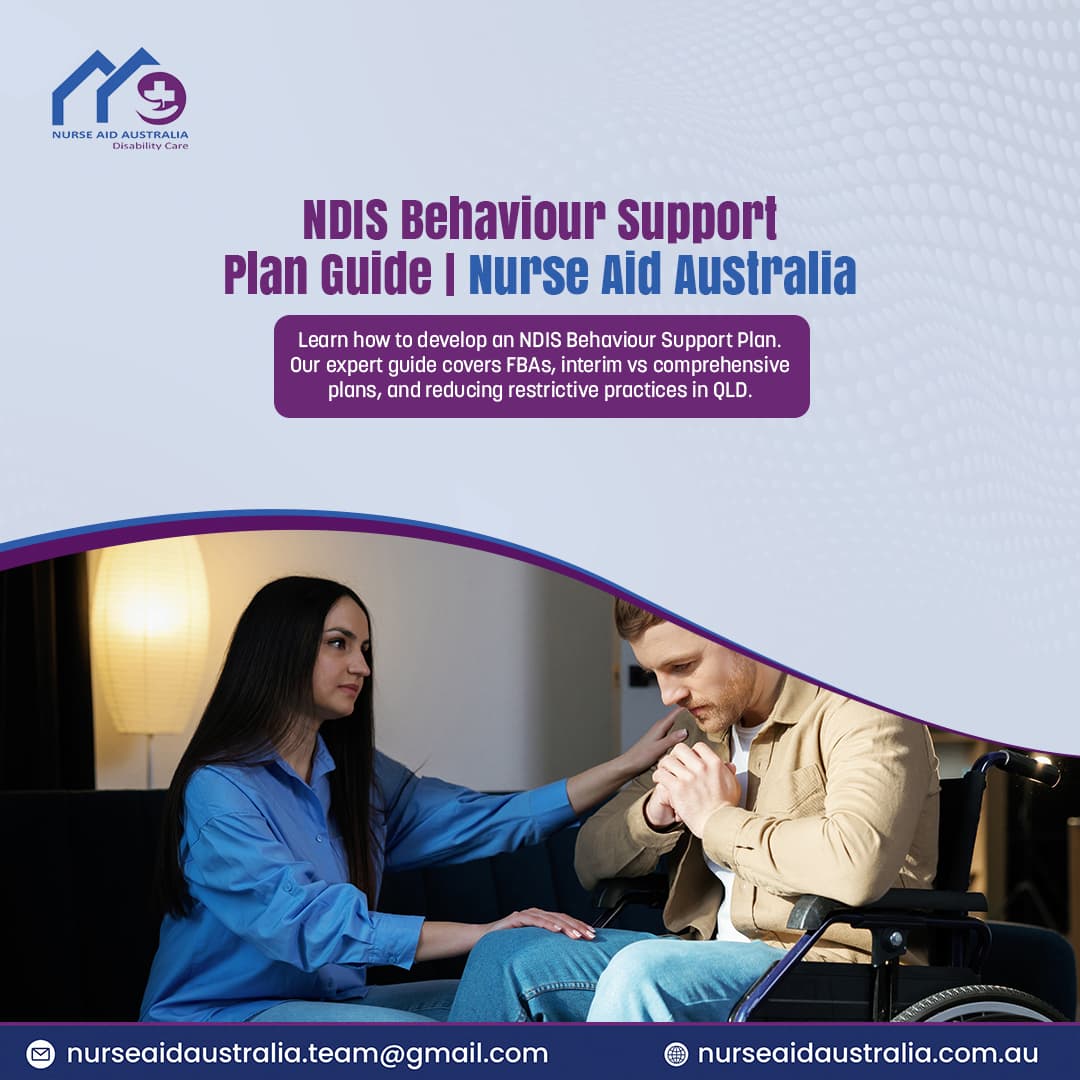
How to Develop an NDIS Behaviour Support Plan: A Step-by-Step Guide
Developing an effective NDIS Behaviour Support Plan (BSP) is a vital process designed to improve the quality of life for people with disability. This professional document focuses on Positive Behaviour Support (PBS) strategies, aiming to understand the “why” behind behaviours of concern while protecting the individual’s dignity and human rights.
What is an NDIS Behaviour Support Plan?
A Behaviour Support Plan (BSP) is a clinical document created by an NDIS Registered Practitioner that outlines evidence-based proactive strategies and reactive responses to manage challenging behaviours. Its primary purpose is to build new skills, improve the person’s environment, and safely eliminate restrictive practices over time.
What is a Positive Behaviour Support Plan (PBSP)?
A Positive Behaviour Support Plan (PBSP) is a person-centred framework that goes beyond simple “behaviour management.” It is a therapeutic approach that views behaviours of concern as functional communication of unmet needs.
By focusing on Positive Behaviour Support (PBS), the plan aims to:
- Improve the participant’s daily living experience.
- Teach replacement skills to reduce the reliance on challenging behaviours.
- Foster a supportive environment through therapeutic interventions.
- Meet strict NDIS Commission compliance standards.
7 Steps to Developing an NDIS Behaviour Support Plan
According to Nurse Aid Australia, creating a high-quality plan requires a collaborative approach involving the support team, family members, and carers. Follow these steps to ensure your plan is both effective and compliant.
1. Engage an NDIS Specialist
To develop a plan that meets NDIS rules, you must find a practitioner who is registered as an NDIS Specialist Behaviour Support Provider. They have the accredited expertise to lead the assessment and drafting process.
2. Functional Behaviour Assessment (FBA)
The Functional Behaviour Assessment (FBA) is the foundation of any comprehensive behaviour support plan. The practitioner conducts a behavioural assessment to identify the antecedent (what happens before), the behaviour itself, and the consequence (what happens after). This data helps determine the functional purpose of the behaviour.
3. Consultation
The NDIS Commission requires that plans be developed in consultation with the person with disability and their family. Talking to the support team and carers ensures the strategies reflect the participant’s likes, dislikes, and history.
4. Drafting the Plan
The practitioner will create a document including:
- Proactive Strategies: Environmental changes and skill-building to prevent behaviours from occurring.
- Reactive Strategies: Safe, regulated ways to respond when a risk of harm is present.
- Early Warning Signs: Identifying triggers to de-escalate situations early.
5. Addressing Restrictive Practices
If a plan includes regulated restrictive practices (like seclusion or mechanical restraint), it must follow strict authorisation protocols. The National Disability Insurance Scheme mandate is to reduce and eventually eliminate restrictive practices to uphold the participant’s freedom.
6. Implementation & Training
Once the plan is created, the support team must receive training on how to implement the strategies. Nurse Aid Australia ensures that all staff understand the specific positive reinforcement and prevention strategies outlined.
7. Ongoing Monitoring & Review
A BSP is a living document. It requires regular monitoring, reporting, and a formal review at least every 12 months (or sooner if needs change) to track progress toward goals.
Comprehensive vs. Interim Behaviour Support Plans
There are two main types of plans within the NDIS ecosystem. Using the right template depends on the urgency of the participant’s needs.
Feature | Interim Behaviour Support Plan | Comprehensive Behaviour Support Plan |
Timeline | Developed within 1 month of referral. | Developed within 6 months of referral. |
Focus | Short-term safety and immediate risk. | Long-term skill-building and root causes. |
Requirement | Required if restrictive practices are used. | Requires a full Functional Behaviour Assessment (FBA). |
Data Basis | Initial observation and history. | In-depth evidence-informed data. |
Understanding Regulated Restrictive Practices
The NDIS Quality and Safeguards Commission monitors the use of restrictive practices to ensure they are only used as a last resort.
Regulated practices include:
- Seclusion: Solitary confinement.
- Chemical Restraint: Using medication to influence behaviour.
- Mechanical Restraint: Using devices to limit movement.
- Physical Restraint: Hands-on contact to restrict movement.
- Environmental Restraint: Restricting access to items or areas.
All NDIS providers must submit reports on the use of these practices via the NDIS Commission Portal.
Behaviour Support Plan Examples and Templates
While you can access an NDIS behaviour support plan template from the official Commission website, the content must be individualised. Good examples of strategies include:
- Visual Schedules: To reduce anxiety around transitions.
- Communication Tools: To help a person express frustration without problem behavior.
- Sensory Adjustments: Reducing noise or light triggers in the home.
Expert Behaviour Support Services in Warner & Australia-wide
For those living in Warner, Greater Brisbane, or across Australia, Nurse Aid Australia provides dedicated and personalised support. Our accredited practitioners work closely with NDIS participants to formulate plans that promote independence and safety.
Why choose Nurse Aid Australia?
- Experience: Deep understanding of the NDIS Framework.
- Expertise: Specialists in Functional Behaviour Assessment (FBA).
- Trust: We prioritise the dignity and human rights of every individual.
Frequently Asked Questions (FAQ )
Its primary purpose is to build new skills, improve the person’s environment, and safely eliminate restrictive practices over time.
A Positive Behaviour Support Plan (PBSP) is a person-centred framework that goes beyond simple behaviour management.
To develop a plan that meets NDIS rules, you must find a practitioner who is registered as an NDIS Specialist Behaviour Support Provider.
The Functional Behaviour Assessment (FBA) is the foundation of any comprehensive behaviour support plan.
The practitioner conducts a behavioural assessment to identify the antecedent (what happens before), the behaviour itself, and the consequence (what happens after).
The NDIS Commission requires that plans be developed in consultation with the person with disability and their family.
Proactive Strategies: Environmental changes and skill-building to prevent behaviours from occurring.
The National Disability Insurance Scheme mandate is to reduce and eventually eliminate restrictive practices to uphold the participant’s freedom.
It requires regular monitoring, reporting, and a formal review at least every 12 months (or sooner if needs change) to track progress toward goals.
Developed within 1 month of referral.
Developed within 6 months of referral.
Necessary if restrictive practices are used. (Referencing the Interim Behaviour Support Plan in the provided table).
The NDIS Quality and Safeguards Commission monitors the use of restrictive practices to ensure they are only used as a last resort.
All NDIS providers must submit reports on the use of these practices via the NDIS Commission Portal.
Ready to Take the Next Step?
At Nurse AID Australia, we’re here to support you in turning your NDIS goals into real-world outcomes. Whether you’re looking to join community activities, improve your social confidence, or access tailored support services—we’re just a click away.
Have questions? Contact our friendly team to discuss how we can help you or your loved ones thrive through the NDIS.