
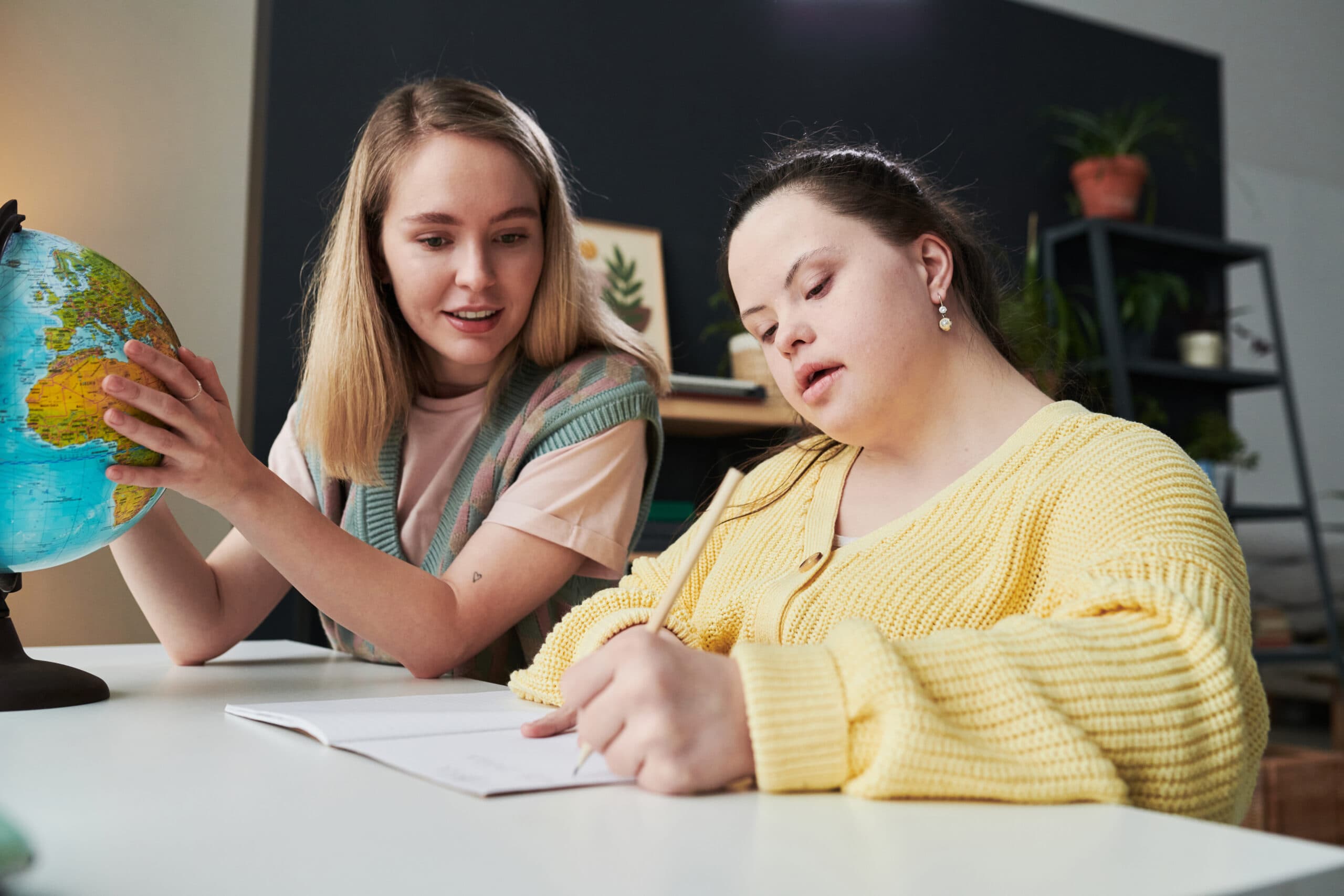
Words Matter: A Comprehensive Guide to Inclusive Language
Introduction: Our Commitment to Compassion
At Nurse Aid Australia, we know the words we choose have power. A single remark or comment can build bridges or create walls. This guide is an essential tool, designed to help everyone in our community—from our staff to the people with disabilities we support—use inclusive language. It’s a comprehensive resource for respectful communication, ensuring every interaction upholds an individual’s dignity and value. Our blog is here to serve as your guide and source of insight, as we’re committed to creating a more inclusive and respectful world, one word at a time.

The Guiding Principles of Inclusive Language
Effective communication is built on knowledge, not assumptions. To truly master inclusive language, we must first understand the core principles that have shaped modern thinking on disability.
The Social Model of Disability: This is a foundational principle that shifts the focus away from an individual’s physical or mental condition and onto the societal barriers that limit their participation. This approach recognizes that disability is not an inherent limitation but is caused by unaccommodating environments and harmful attitudes. Embracing this model helps us see that our goal isn’t to “fix” a person but to dismantle the barriers that prevent them from living a full life. This perspective is a direct result of the Disability Rights movement.
The Nuance of Person-First vs. Identity-First: The choice of words is often personal, and the debate between Person-first language and Identity-first language is a perfect example of this.
- Person-First Language: This approach puts the person before their diagnosis or condition (e.g., “participants”). It emphasizes that a person is not defined by their disability, but rather that it’s just one aspect of their entire being. This approach is deeply rooted in the idea of respect and is widely used in many professional and clinical settings.
- Identity-First Language: This is where the disability is mentioned before the person (e.g., “Mr. participants” or “Miss. Participants”). Many people with disabilities and Disability Rights advocates prefer this language, viewing their disability as an integral and proud part of their identity and culture.
- The Golden Rule: The core principle is to always respect individual preference. It costs nothing to ask, “What terminology do you prefer?” or “How do you like to be addressed?” Your effort shows respect and a genuine desire to communicate in a dignified and authentic way. The goal is to avoid making assumptions.
A Practical Guide to What to Say and What to Avoid

Clear, respectful communication requires us to update our vocabulary and retire outdated terms. This section serves as a comprehensive guide to help you choose the right words.
Empowering Terminology: What to Use
- For the person: Say “Miss or Mr Participants,” .
- For services: Use “accessible communication” or “accessible events.”
- For spaces: Refer to “accessible parking” and “accessible toilets” instead of outdated alternatives.
Words to Retire: Outdated, Offensive, and Vague Terms: Language is evolving. The words matter; inclusive language is a proactive effort.
- Outdated and Offensive Language: Terms like “handicapped,” “crippled,” or “handicap or disabled” are deeply offensive and have a painful historical connotation. To answer the query, “can you still say handicapped?” The answer is a clear and simple no. The correct terminology for disabled people is either person-first or identity-first language, depending on their preference.
- Common Euphemisms: Many well-meaning people use euphemisms such as “special needs” or “differently abled.” However, many advocates dislike these terms because they often feel condescending and try to sugarcoat something that’s simply a part of a person’s life. This minimizes their experiences and can be seen as patronizing.
- Ableist Language: Ableist language is everywhere. It consists of phrases like “that’s so lame” or “are you deaf?” when someone doesn’t hear. These microaggressions are often casual but can have a deeper impact. The ability to speak, hear, or move is not a measure of a person’s worth. Our communication must be free of such harmful, vague words.
Beyond Words: Etiquette and Accessibility in Practice
True inclusion goes beyond what we say; it’s about how we act and what we make accessible.
Disability Etiquette in Communication: Disability etiquette is about applying basic respect and empathy in our interactions.
- Respectful Interaction: Always speak directly to the individual with a disability, not to their companion or support person. Don’t make assumptions about a person’s abilities or needs based on their diagnosis. Respectful communication involves treating people with disabilities as equal members of a society.
- Unsolicited Help: Do not offer unsolicited help without asking first. For a person using a wheelchair, their mobility device is an extension of their personal space. You would not grab someone’s arm on the street without permission, so do not touch their chair or equipment.
Accessible Communication for All: Accessible communication helps to ensure that all people have equal access to information.
- Cognitive Accessibility: This involves making information easy to understand for everyone, including those with cognitive disabilities. Using simple sentences, clear visuals, and formats like Easy Read ensures our comprehensive guide is accessible to a broader audience.
- Visual and Sensory Accessibility: This means ensuring information is available to those with sensory impairments. Examples include providing audio descriptions for images, large-print documents, or a sign-language interpreter for accessible events. This is about creating environments where all can engage and participate.
Our Role in the NDIS: As a provider under the NDIS, Nurse Aid Australia uses Strengths-based language to empower clients. We focus on an individual’s abilities and aspirations, rather than their limitations. This contrasts with Deficit-based language, which focuses on what a person lacks or cannot do. We understand that while the latter may be necessary for official documentation and eligibility, our everyday communication should always be empowering.
Conclusion: Our Commitment
At Nurse Aid Australia, we believe that words matter. A commitment to inclusive language and genuine disability etiquette isn’t just about political correctness; it’s about making a clear and deliberate statement that we’re dedicated to dismantling barriers and fostering a community of respect, acceptance, and participation in society. By consciously choosing our words and actions, we empower people with disabilities to live full and independent lives. This guide is one small step on a larger journey to create a more inclusive world.
Ready to Take the Next Step?
At Nurse AID Australia, we’re here to support you in turning your NDIS goals into real-world outcomes. Whether you’re looking to join community activities, improve your social confidence, or access tailored support services—we’re just a click away.
Have questions? Contact our friendly team to discuss how we can help you or your loved ones thrive through the NDIS.