
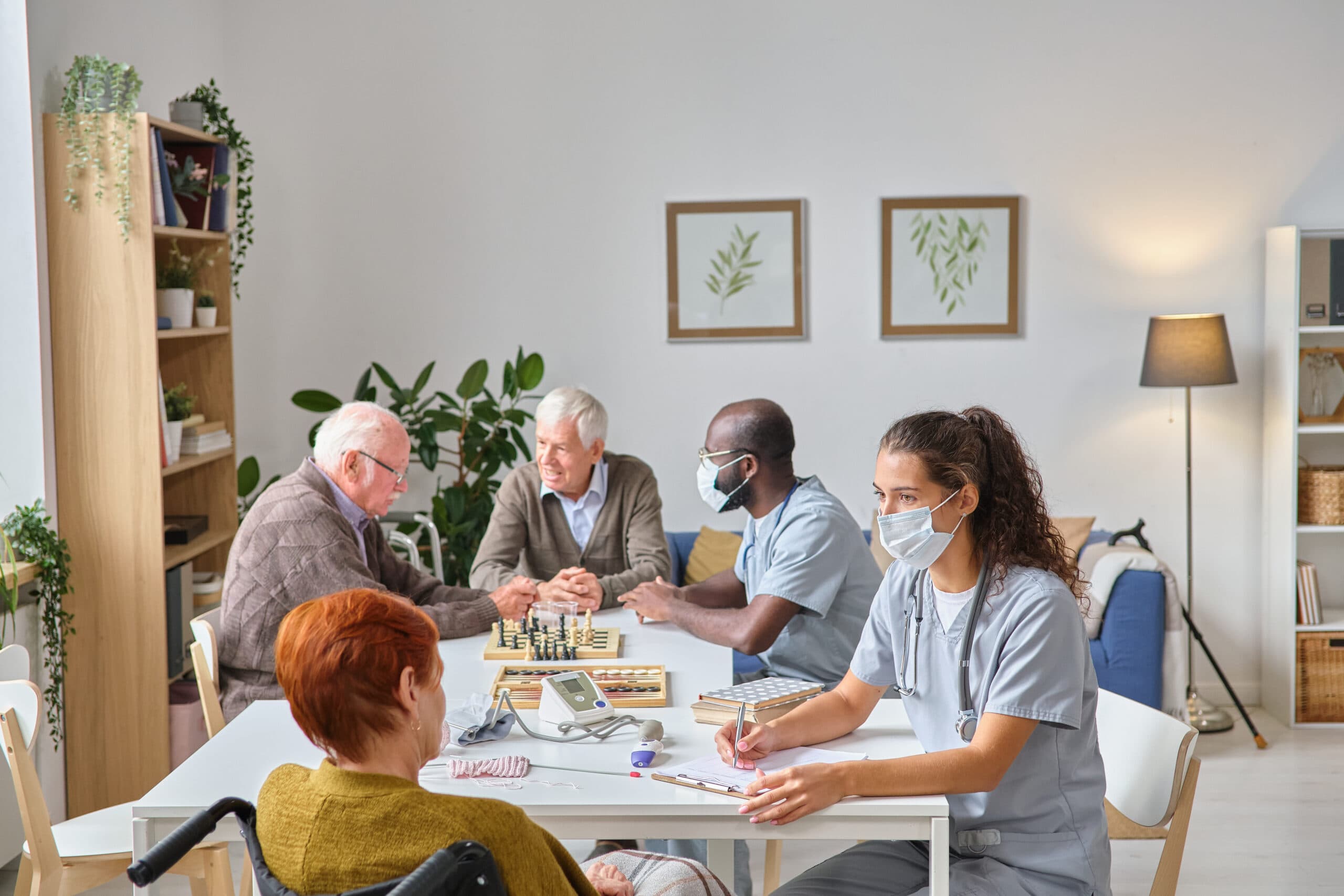
NDIS Social and Community Participation: Empowering Inclusion and Connection
NDIS social and community participation is a cornerstone of the National Disability Insurance Scheme (NDIS). It’s about engaging in everyday life, meeting friends, joining groups, taking part in recreational activities, and being involved in your local community. This support category aims to foster inclusion, build skills, and enhance independence for people with disabilities.
Why NDIS Social and Community Participation Matters
- Increased social and community participation improves wellbeing, builds confidence, and creates meaningful relationships.
- It enables individuals to participate in society just like everyone else, whether through sports, art, volunteering, or social clubs.
- These supports are especially helpful for participants with autism, intellectual disabilities, or psychosocial conditions, offering structured opportunities for skill development and interaction.
Understanding the NDIS Framework
NDIS supports for social and community participation are typically grouped into three progressive stages:
1. Getting Ready
- Focused on building confidence, social skills, and capacity.
- Examples: One-on-one mentoring, communication coaching, self-advocacy workshops.
2. Connecting
- Support to attend and engage in social or community events with guidance.
- Examples: Going to art classes with a support worker, joining a local sports club.
3. Staying Connected
- Helping participants maintain long-term engagement and relationships.
- Examples: Joining ongoing community programs or peer-support groups.

Real-World Examples & Line Items
Examples of Increased Social and Community Participation NDIS Supports:
- Support staff to assist with attending local events or classes
- Fees for attending community-based hobby programs
- Transportation to social activities
- Life skills workshops and social training
- Group-based activities such as dance, netball, or music
Key Funding Categories:
- Core Supports: For everyday assistance like helping attend events or supporting routines.
- Capacity Building: For skill development, confidence building, and social engagement.
Types of Activities Funded by NDIS Participation Support
- Group classes (e.g., dance, art, music)
- Community volunteering programs
- Peer-support meetups
- Mentorship or leadership programs
- Attending public or cultural events
- Sports and recreational programs
Your NDIS plan will determine the applicable line items, your Local Area Coordinator (LAC) or support coordinator can guide you.
Innovative Community Participation in NDIS
NDIS innovative community participation is about exploring less traditional, creative ways to connect socially. This can include:
- Digital literacy groups
- Entrepreneurship or small business workshops
- Disability-inclusive community events
- Peer-led mentoring programs
- Volunteer placements and internship support
These programs focus on capacity building while also encouraging social inclusion and long-term participation.

Benefits of NDIS Social Participation
- Skill Development: Participants gain communication, confidence, and problem-solving skills.
- Connection: Helps prevent isolation by building friendships and networks.
- Empowerment: Encourages independence and civic engagement.
- Enjoyment: Participants find joy and fulfillment through regular interaction with peers and communities.
How to Access the Right Support
To make the most of your NDIS plan and funding, follow these steps:
Set Clear Goals
Use phrases like “I want to increase my social and community participation” during planning meetings.
Review Your Plan
Look at both core and capacity-building funding. Ask your planner how your goals can be supported.
Work With the Right Providers
Search for NDIS-registered providers experienced in delivering inclusive social programs.
Track Your Progress
Regularly review your goals, participation outcomes, and adjust supports accordingly.
Also read our latest blog on Empowering Independence and the Role of the NDIS in Daily Life.
Frequently Asked Questions (FAQs)
1: What activities are covered under NDIS community participation?
Activities may include sports, art classes, support groups, community volunteering, faith-based events, or digital clubs—if they align with your plan goals.
2: What’s the difference between core and capacity-building for social participation?
Core supports cover everyday help like transport or a support worker. Capacity-building develops skills and independence (e.g., social skills training, mentoring).
3: Can NDIS funds be used for civic engagement?
Yes! Civic activities—like volunteering, attending local council events, or community advocacy—are supported under social community and civic participation.
4: What is the assistance with social and community participation NDIS code?
It varies depending on the type of support. Your plan or provider can reference the appropriate support item number.
5: How do I qualify for increased social and community participation NDIS support?
The support must be “reasonable and necessary,” align with your goals, and improve independence or community connection.
Final Thoughts
NDIS social and community participation is not just about attending events—it’s about living a meaningful life, full of connection and contribution. Through well-structured support, individuals can:
- Build life skills
- Participate confidently in society
- Connect with their passions
- Lead fulfilling, inclusive lives
Whether you’re new to the NDIS or updating your goals, prioritising assistance with social and community participation can be a game-changer for long-term wellbeing and growth.
Ready to Take the Next Step?
At Nurse AID Australia, we’re here to support you in turning your NDIS goals into real-world outcomes. Whether you’re looking to join community activities, improve your social confidence, or access tailored support services—we’re just a click away.
Have questions? Contact our friendly team to discuss how we can help you or your loved ones thrive through the NDIS.